
Your Service Promise Headline Goes Here
A short description/blurb goes here to elaborate on the service, and promote the call to action below.
What Myra Kibler (Non-Payment) Can Do For You
A few of the services offered...
Service or Benefit #1
Describe your service, and/or benefit right here. Just click, and type to edit.
Service or Benefit #2
Describe your service, and/or benefit right here. Just click, and type to edit.
Service or Benefit #3
Describe your service, and/or benefit right here. Just click, and type to edit.
Ready to Get Started?
ABOUT
Myra Kibler Realtor LLC
Write a little information about yourself and/or the business here, along with a few bullet points of why you stand from others.
Credibility factor lorem ipsum
Authority stats and other lorem ipsum
Results and experience lorem ipsum

Get trends, tips and more sent to your inbox and phone
Subscribe for Updates
Stay in the loop effortlessly with monthly industry updates, tips and more. Complete the form below to sign up.
Recent Tips & Updates
Check out our latest posts from our blog...
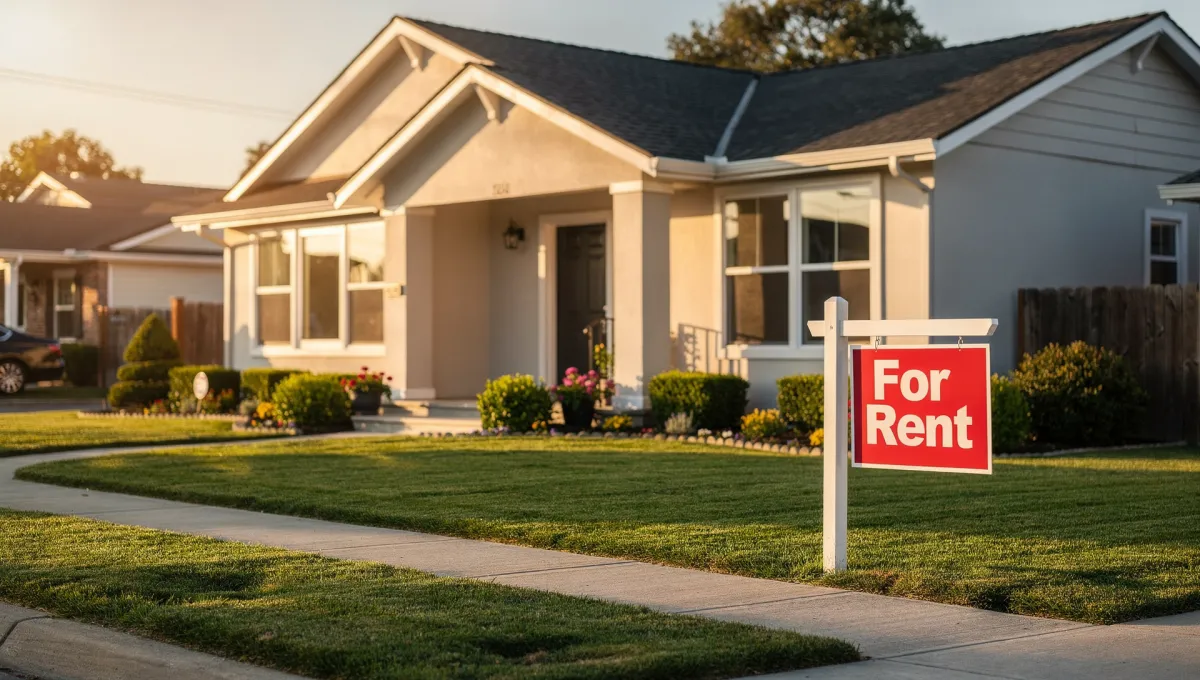
What 25+ Years of Rental & Rehab Experience Teaches You About Buying Smart
Experience reveals patterns most buyers never see. Let me show you what 25+ years has taught me.
What Experience Actually Teaches You
You walk through a house and see what's in front of you. Fresh paint. New countertops. Updated light fixtures. It looks move-in ready. Perfect.
But what you're seeing is the surface. And in real estate, the surface rarely tells the complete story.
After 25+ years of leasing residential property and rehabilitating homes, I've learned something critical: what looks good and what performs well are often two different things.
That knowledge makes all the difference when you're deciding where to invest your money.
I've Seen Which Homes Hold Value and Which Become Money Pits
Not all properties are good investments.
Some homes appreciate steadily. They require normal maintenance, but nothing catastrophic. They attract quality tenants or buyers when it's time to sell. They build wealth.
Others? They look fine at purchase. Then the problems start.
The foundation develops cracks. The roof leaks in ways inspection didn't catch. The plumbing backs up repeatedly. The electrical system can't handle modern demands.
Suddenly, you're pouring money into repairs. Your equity isn't building. Your investment is bleeding.
What Makes the Difference?
Quality of original construction. Homes built with attention to detail and solid materials perform differently than those built to hit a price point.
How well previous owners maintained systems.
A 15-year-old HVAC system that's been serviced regularly has years left. One that's been neglected? You're replacing it soon.
Whether updates were done right. That beautiful kitchen remodel matters less if the plumber didn't pull permits or the electrician took shortcuts.
Location within the neighborhood. Even great houses in poor locations struggle to appreciate.
I've watched these patterns repeat across hundreds of properties. The homes that hold value share characteristics. The money pits share warning signs.
Knowing which is which before you buy protects your investment.
Cosmetic Updates Matter Less Than Structure, Systems, and Layout
Walk into a staging-perfect home and your emotions engage immediately.
The colors are right. The finishes are trendy. Everything photographs beautifully.
You can picture yourself living there.
But staging and cosmetic updates are the easiest things to change. They're also the least important factors in long-term value.
What actually matters? The things you can't easily fix.
Structure
Foundation integrity. Roof condition. Framing quality. Wall construction. These determine whether a house stands strong for decades or develops expensive problems.
I've seen beautiful homes with foundation issues that cost thousands to repair. I've seen roof problems that led to mold remediation costing more than the cosmetic budget of an entire renovation.
Structure is everything. Granite countertops are nice. A solid foundation is essential.
Systems
HVAC, plumbing, electrical. These systems keep your home functional.
A 20-year-old HVAC system might have a year left or five years left. Knowing the difference matters. Plumbing that's original to a 1970s house might be functioning fine today and failing next month.
Electrical panels matter. Wiring matters. Water heater age and condition matter.
These aren't exciting. But replacing systems costs thousands. Budget accordingly or buy a home where systems have useful life remaining.
Layout
You can change paint colors on the weekend. You can update flooring in a week.
You can't easily change the layout.
Awkward floor plans limit how you use space. Lack of storage becomes a daily frustration. Poor flow affects how you live in the home.
Bad layout impacts resale value. Buyers feel it even if they can't articulate why.
Good layout, conversely, makes homes sell faster and for more money. It's one of the most underrated value drivers in real estate.
I've rehabilitated enough properties to know: cosmetic updates are temporary. Structure, systems, and layout determine long-term satisfaction and value.
Experience Helps Spot Red Flags Before They Become Regrets
Some problems announce themselves. Others hide until you own the property.
Experience teaches you what to look for. Where problems typically show up. What questions to ask.
Foundation and Structural Red Flags
Cracks in walls, especially above doors and windows. Doors that stick or don't close properly. Sloping floors. Gaps between walls and ceilings.
These can indicate foundation movement or structural settling. Sometimes it's normal settling. Sometimes it's an expensive problem waiting to happen.
I know which is which. And when something looks questionable, I make sure you get an expert evaluation before you're committed.
System Red Flags
HVAC that's loud, slow to heat or cool, or cycles frequently. Water pressure that's weak or inconsistent. Outlets that don't work or breakers that trip.
Age matters too. If major systems are approaching end of life, factor replacement costs into your decision.
I've seen buyers surprised by thousands of HVAC replacement bills six months after closing. That shouldn't happen. Those red flags were visible before purchase.
Maintenance Red Flags
Deferred maintenance shows up everywhere once you know what to look for.
Gutters full of debris. Caulking that's cracked. Paint that's peeling. Minor repairs that haven't been addressed.
These signal how the owner treated the home. If they neglected small visible items, what did they neglect that you can't see?
Homes with deferred maintenance cost more to own. Budget for catching up or negotiate accordingly.
Layout and Design Red Flags
Some layouts just don't work. Bedrooms too small for furniture. Kitchens where workflow is awkward. Bathrooms in inconvenient locations.
You might not notice on a 20-minute showing. You'll notice every day you live there.
I've learned which layout issues are deal-breakers and which are manageable. That perspective helps you avoid layouts you'll regret.
What This Means for Your Purchase
When you're working with someone who's actually done the work, not just sold houses, you get different guidance.
I don't just tell you what comparable homes sold for. I tell you whether the systems are solid. Whether the structure will hold up. Whether the layout works for how you live.
I point out what matters and what doesn't. What's worth paying for and what's a cosmetic distraction.
I help you see past staging to evaluate real value. And I help you avoid properties that look fine but perform poorly.
That's the difference experience makes.
Buying Smart Means Buying With Knowledge
Real estate decisions are too important to base on appearances alone. You need to understand what you're actually buying. Not just what it looks like, but how it will perform.
Will this home require constant repairs or will it be solid and dependable?
Are the systems going to last or will you face major replacement costs soon?
Does the layout work for your life or will it frustrate you daily?
When you have someone who's seen these patterns play out across decades and hundreds of properties, you make better choices.
You buy homes that hold value. You avoid money pits. You invest wisely.
And you find your dwelling place where you can truly find peace.
Explore Your Home Value Today
Whether you're considering a purchase or curious about your current home's value, understanding what drives real estate value is essential.
Get instant property values to see what institutional buyers are willing to pay.
No pressure. No forced registration. Just accurate data that helps you make smart real estate decisions.

Let's Connect!
Here are a few ways you can get in touch...
(678) 895-9425
https://www.myrakibler.com/
90-F Glenda Trace PMB 407, Newnan GA 30265


Myra Kibler (Non-Payment) | Privacy Policy
License # GA: 385285 / AL: 000155208
Read Our Latest Blogs
Lorem ipsum dolor sit amet, consectetur adipiscing elit.
What 25+ Years of Rental & Rehab Experience Teaches You About Buying Smart
Experience reveals patterns most buyers never see. Let me show you what 25+ years has taught me.
What Experience Actually Teaches You
You walk through a house and see what's in front of you. Fresh paint. New countertops. Updated light fixtures. It looks move-in ready. Perfect.
But what you're seeing is the surface. And in real estate, the surface rarely tells the complete story.
After 25+ years of leasing residential property and rehabilitating homes, I've learned something critical: what looks good and what performs well are often two different things.
That knowledge makes all the difference when you're deciding where to invest your money.
I've Seen Which Homes Hold Value and Which Become Money Pits
Not all properties are good investments.
Some homes appreciate steadily. They require normal maintenance, but nothing catastrophic. They attract quality tenants or buyers when it's time to sell. They build wealth.
Others? They look fine at purchase. Then the problems start.
The foundation develops cracks. The roof leaks in ways inspection didn't catch. The plumbing backs up repeatedly. The electrical system can't handle modern demands.
Suddenly, you're pouring money into repairs. Your equity isn't building. Your investment is bleeding.
What Makes the Difference?
Quality of original construction. Homes built with attention to detail and solid materials perform differently than those built to hit a price point.
How well previous owners maintained systems.
A 15-year-old HVAC system that's been serviced regularly has years left. One that's been neglected? You're replacing it soon.
Whether updates were done right. That beautiful kitchen remodel matters less if the plumber didn't pull permits or the electrician took shortcuts.
Location within the neighborhood. Even great houses in poor locations struggle to appreciate.
I've watched these patterns repeat across hundreds of properties. The homes that hold value share characteristics. The money pits share warning signs.
Knowing which is which before you buy protects your investment.
Cosmetic Updates Matter Less Than Structure, Systems, and Layout
Walk into a staging-perfect home and your emotions engage immediately.
The colors are right. The finishes are trendy. Everything photographs beautifully.
You can picture yourself living there.
But staging and cosmetic updates are the easiest things to change. They're also the least important factors in long-term value.
What actually matters? The things you can't easily fix.
Structure
Foundation integrity. Roof condition. Framing quality. Wall construction. These determine whether a house stands strong for decades or develops expensive problems.
I've seen beautiful homes with foundation issues that cost thousands to repair. I've seen roof problems that led to mold remediation costing more than the cosmetic budget of an entire renovation.
Structure is everything. Granite countertops are nice. A solid foundation is essential.
Systems
HVAC, plumbing, electrical. These systems keep your home functional.
A 20-year-old HVAC system might have a year left or five years left. Knowing the difference matters. Plumbing that's original to a 1970s house might be functioning fine today and failing next month.
Electrical panels matter. Wiring matters. Water heater age and condition matter.
These aren't exciting. But replacing systems costs thousands. Budget accordingly or buy a home where systems have useful life remaining.
Layout
You can change paint colors on the weekend. You can update flooring in a week.
You can't easily change the layout.
Awkward floor plans limit how you use space. Lack of storage becomes a daily frustration. Poor flow affects how you live in the home.
Bad layout impacts resale value. Buyers feel it even if they can't articulate why.
Good layout, conversely, makes homes sell faster and for more money. It's one of the most underrated value drivers in real estate.
I've rehabilitated enough properties to know: cosmetic updates are temporary. Structure, systems, and layout determine long-term satisfaction and value.
Experience Helps Spot Red Flags Before They Become Regrets
Some problems announce themselves. Others hide until you own the property.
Experience teaches you what to look for. Where problems typically show up. What questions to ask.
Foundation and Structural Red Flags
Cracks in walls, especially above doors and windows. Doors that stick or don't close properly. Sloping floors. Gaps between walls and ceilings.
These can indicate foundation movement or structural settling. Sometimes it's normal settling. Sometimes it's an expensive problem waiting to happen.
I know which is which. And when something looks questionable, I make sure you get an expert evaluation before you're committed.
System Red Flags
HVAC that's loud, slow to heat or cool, or cycles frequently. Water pressure that's weak or inconsistent. Outlets that don't work or breakers that trip.
Age matters too. If major systems are approaching end of life, factor replacement costs into your decision.
I've seen buyers surprised by thousands of HVAC replacement bills six months after closing. That shouldn't happen. Those red flags were visible before purchase.
Maintenance Red Flags
Deferred maintenance shows up everywhere once you know what to look for.
Gutters full of debris. Caulking that's cracked. Paint that's peeling. Minor repairs that haven't been addressed.
These signal how the owner treated the home. If they neglected small visible items, what did they neglect that you can't see?
Homes with deferred maintenance cost more to own. Budget for catching up or negotiate accordingly.
Layout and Design Red Flags
Some layouts just don't work. Bedrooms too small for furniture. Kitchens where workflow is awkward. Bathrooms in inconvenient locations.
You might not notice on a 20-minute showing. You'll notice every day you live there.
I've learned which layout issues are deal-breakers and which are manageable. That perspective helps you avoid layouts you'll regret.
What This Means for Your Purchase
When you're working with someone who's actually done the work, not just sold houses, you get different guidance.
I don't just tell you what comparable homes sold for. I tell you whether the systems are solid. Whether the structure will hold up. Whether the layout works for how you live.
I point out what matters and what doesn't. What's worth paying for and what's a cosmetic distraction.
I help you see past staging to evaluate real value. And I help you avoid properties that look fine but perform poorly.
That's the difference experience makes.
Buying Smart Means Buying With Knowledge
Real estate decisions are too important to base on appearances alone. You need to understand what you're actually buying. Not just what it looks like, but how it will perform.
Will this home require constant repairs or will it be solid and dependable?
Are the systems going to last or will you face major replacement costs soon?
Does the layout work for your life or will it frustrate you daily?
When you have someone who's seen these patterns play out across decades and hundreds of properties, you make better choices.
You buy homes that hold value. You avoid money pits. You invest wisely.
And you find your dwelling place where you can truly find peace.
Explore Your Home Value Today
Whether you're considering a purchase or curious about your current home's value, understanding what drives real estate value is essential.
Get instant property values to see what institutional buyers are willing to pay.
No pressure. No forced registration. Just accurate data that helps you make smart real estate decisions.